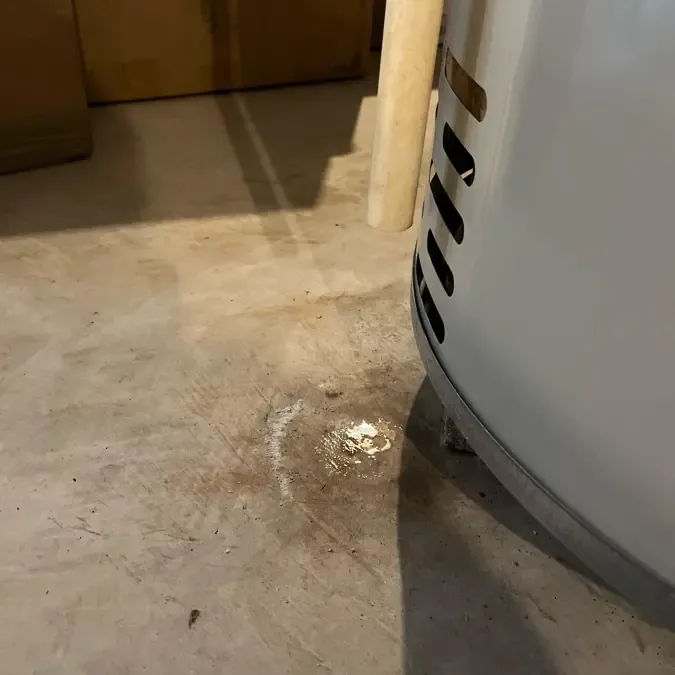
Water collecting around a heater can reach its platform, lower wall finishes and belongings stored nearby. In Franklin, Kentucky, Simpson County Planning and Zoning publishes building contacts and a Permits and Forms link that owners can use when discussing proposed work. The immediate cleanup assessment needs a close account of the appliance area, with repair of the source coordinated alongside inspection of the materials that support and surround it.
Key takeaways
- Keep occupants away from leaking appliances and wet electrical components.
- Have the heater source assessed before normal appliance use resumes.
- Inspect the platform and adjoining finishes rather than stopping at the visible puddle.
- Inventory wet storage items before they move into another room.
- Keep the appliance repair status and material drying information in the same recovery file.
Identify the water without handling the appliance
The first useful observation is where water appears in relation to the heater. An owner may see it beside the tank, at a nearby connection or at the edge of a platform, and that description should be passed to the person assessing the appliance without attempting an unsafe closer inspection.
The heater's energy supply and nearby electrical equipment need appropriate attention as part of making the area safe. Occupants should avoid standing in water to reach controls or move the appliance, leaving the safe isolation and repair assessment to the people qualified to handle the equipment involved.
The water heater leak cleanup service deals with the affected room materials. Describing the appliance location, visible water and any adjoining storage space helps organize cleanup access while the separate appliance problem is investigated and the release is brought under control.
- Describe the visible wet area from a safe position.
- Report water near appliance controls or electrical equipment.
- Keep the access route clear of occupants and stored items.
- Avoid moving the heater to expose a hidden puddle.
The support beneath the heater deserves its own assessment
A platform can obscure the route from the appliance to the surrounding floor. The assessment should identify its actual construction and the surfaces available for inspection, giving the owner a clear explanation of what can be observed without moving equipment and what requires coordinated access.
Water may also contact trim or a wall behind the platform where the original puddle is difficult to see. Photographs from accessible positions should distinguish the appliance base, platform edge and adjacent wall, so each material has a recognizable place in the work record.
If removal or repositioning of the heater is needed for access, that work should be coordinated with the appliance specialist. The cleanup scope should explain the material that needs attention beneath or behind it and how the opening will remain available until that part of the assessment is complete.
Separate stored possessions from the wet structure
Storage around an appliance often conceals the room perimeter. Boxes, shelves and loose household items should be evaluated before movement, with the owner and provider identifying which objects are dry, which contacted water and which obstruct the platform or floor edge that needs inspection.
An item list should retain enough detail to show where affected belongings were located. A simple description and photograph can connect a wet carton with the side of the platform where it stood, even after the room has been cleared and the original arrangement is no longer visible.
Temporary storage needs to suit the condition of the contents. Damp absorbent belongings should not be stacked against a dry wall or returned beside the heater while that area is being monitored, and items needing specialist assessment should remain identified separately from ordinary room contents.
- Photograph storage before clearing the appliance area.
- Mark belongings that contacted the released water.
- Choose a suitable destination for unaffected possessions.
- Leave the platform perimeter accessible during inspection and drying.
Follow water across the room transition
The puddle beside the heater may connect with a doorway, cabinet end or neighboring room. The inspection should follow that route and consider the actual finishes encountered, particularly where a change in flooring makes it difficult to see whether water continued beneath the next surface.
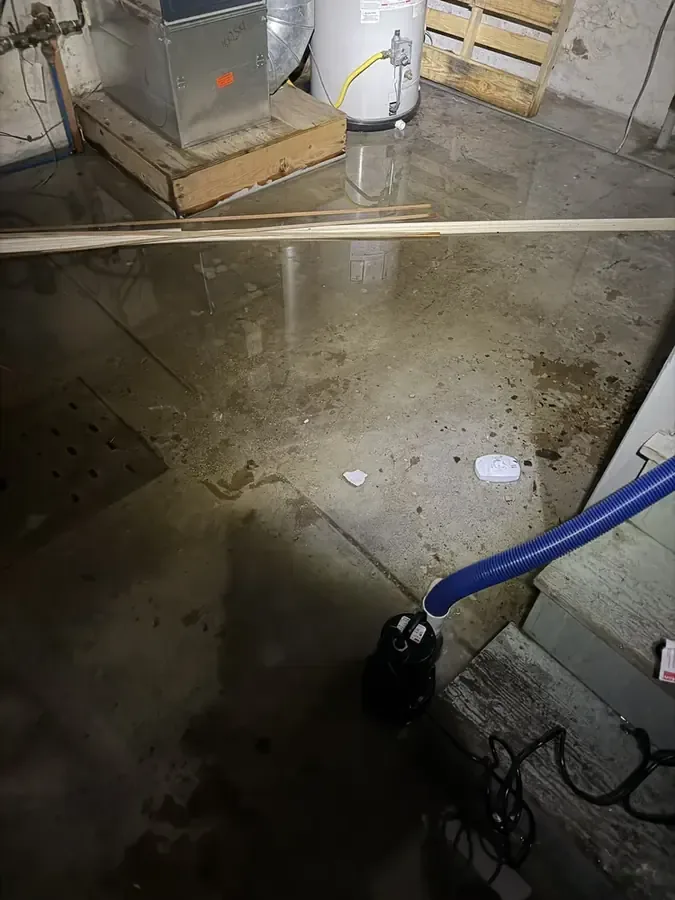
The water extraction service removes accessible liquid before the retained assembly is evaluated further. As the surface clears, technicians can revisit edges that were obscured and describe any additional access needed to inspect material below a covering or behind lower trim.
The owner should know when the work extends beyond the appliance room. Naming the added location and the condition found there keeps the estimate and drying record aligned, giving a concrete explanation for attention to a hallway or storage recess that looked unaffected during the first glance at the heater.
Monitor the material that remains in place
Heater replacement and room drying answer different needs. A corrected appliance can be ready for its intended use while an adjoining finish or support assembly still requires evaluation, so the owner should ask how retained materials are being checked independently of the appliance repair decision.
Franklin has hot, humid summers, making room conditions a useful part of the drying discussion. The structural drying process should explain both the material measurements and the conditions around those materials, with repeated checks at identifiable points around the platform and affected floor.
The provider should describe how equipment reaches the wet surfaces without obstructing necessary appliance access. If an enclosed section needs a different arrangement, the reason belongs in the progress notes along with the material being treated, so the owner understands why that area remains part of the work.
- Identify the platform surfaces retained for treatment.
- Keep material readings linked to their inspection locations.
- Record the appliance repair status separately from drying progress.
- Ask which enclosed section still needs access before closure.
Bring a concrete scope to building questions
Simpson County Planning and Zoning identifies a Chief Building Official and publishes its permits information. An owner planning work around the heater can present the actual repair proposal to the appropriate contact, including whether the proposal concerns the appliance, a support platform or other building material.
The question becomes easier to answer when the work is described precisely. Photographs of the affected support and the contractor's proposed action are more useful than a broad request about water damage, because they show what would change and which part of the building or appliance arrangement is involved.
The owner should retain the response with the relevant contractor paperwork. Keeping those details alongside the cleanup file helps coordinate the order of work, particularly if a platform or enclosure needs repair before the appliance can be returned to its final position and nearby finishes can be restored.
Return the room to use with clear outstanding tasks
The final walkthrough should include the appliance position, the surrounding floor and the storage area cleared for access. The provider can explain which materials were treated, what the final assessment showed and whether any opening or finish remains for another contractor to complete.
An owner should also know when stored belongings can return and which surfaces should remain accessible for further work. This avoids rebuilding the original storage arrangement around an unfinished platform or concealing a section that the next trade still needs to inspect or repair.
A complete handoff brings together the original water observations, the appliance correction, the materials addressed and the remaining construction tasks. That record preserves the relationship between a leaking heater and the room damage, giving the homeowner useful details after the equipment and temporary storage have been removed.
Questions
Does replacing the heater also restore the platform?
The platform needs its own condition assessment after water contact. The appliance contractor and cleanup provider should coordinate access to any affected material beneath or around the equipment.
Should stored boxes be moved immediately?
Their condition and the safety of the access route should be considered first. Recording their original position helps preserve the water path, and damp belongings need a suitable destination away from unaffected surfaces.
Why inspect outside the heater room?
A wet threshold or adjoining floor edge may show that the release extended farther than the original puddle. Those observations determine whether another area needs to be included in the work.
Where can Franklin owners raise building questions?
Simpson County Planning and Zoning publishes permits information and identifies a Chief Building Official. The proposed work and photographs of the affected assembly can be presented for the relevant direction.
What should the closing paperwork distinguish?
It should distinguish the appliance correction, the room materials treated and any construction still required. Material measurements and photographs help explain the drying result independently of the heater repair.