Storm Flood Cleanup in Springfield, TN
Outdoor floodwater brings a different cleanup problem from a fresh pipe leak. The Springfield mitigation crew assesses safe access, contamination and soaked materials before removal, cleaning and structural drying.
(888) 849-5796Discuss indoor storm flood damage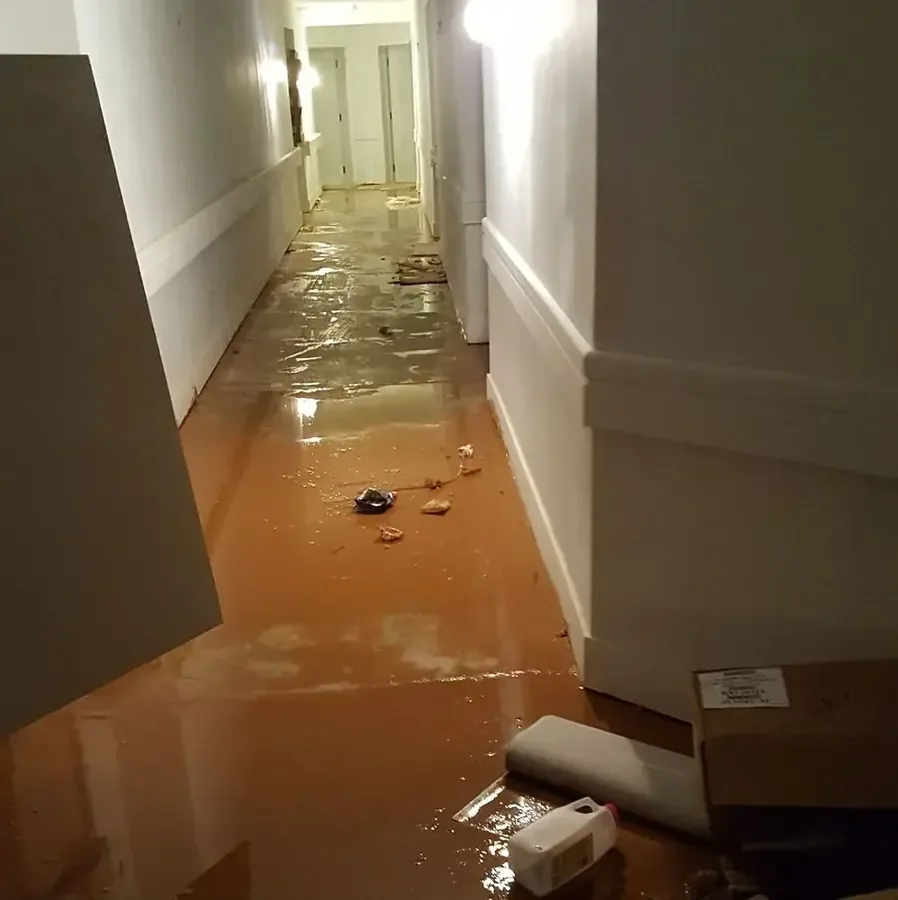
Floodwater can recede before the building is safe to enter or ready to dry. The assessment considers electrical exposure, unstable materials and contamination as separate issues. The cleanup crew documents the indoor water boundary, then evaluates what the water carried into porous layers and enclosed spaces.
Storm flood cleanup in Springfield begins after safe entry
Robertson County experienced fast-rising flooding on New Chapel Road in February 2021. A March 1 report also showed water around Garner Street Park and the Greenway bridge near Main Street. These local examples show how access can change during heavy rain. The assessor checks each building and its parcel information separately.
The city participates in the National Flood Insurance Program and directs property owners to floodplain information. A parcel map helps with risk questions; the indoor assessment still needs the actual entry route, depth and duration. Water at a doorway, water through a wall joint and a sewer backup during rain may require different source investigations.
- The owner avoids flooded roads and waits for safe access rather than trying to reach a property through moving water.
- The crew records the highest visible indoor contact and checks beyond it for moisture that wicked into absorbent finishes.
- Porous contents and building materials need a contamination assessment before anyone assumes they can remain in place.
- Removal routes keep dirty materials away from clean rooms, with equipment placement following the controlled work boundary.
Handling the materials that runoff touched
Outdoor floodwater may carry soil, waste and other contamination. Extraction alone does not make the contacted assembly clean. The mitigation plan separates physical removal, cleaning of recoverable surfaces and subsequent drying. Wet pad and damaged wallboard can hide contamination even after the walking surface looks clear.
The crew checks cavities where water can remain after the visible level drops. Low cabinetry, floor transitions and enclosed storage areas receive separate attention. EPA flooded home information explains cleanup considerations, while the source and material condition guide the individual loss. No photograph of a clear room can replace those checks.
Tracking drying progress and keeping claim records
The drying team records humidity, material readings and equipment changes after cleaning. A return of rain can create new entry, so the source control plan remains relevant throughout the dry-out. A slow material response prompts another look at trapped layers or continuing water rather than an automatic extension of the same equipment setup.
The owner retains photographs, the entry description, removed-material notes and drying records. FEMA flood insurance information distinguishes flood coverage from ordinary homeowners coverage. The insurer decides how the actual policy applies. The restoration record brings together the water entry observations, affected materials and completed work for the owner to review with the insurer.
What does storm flood cleanup cost in Springfield, TN?
Storm flood cleanup commonly ranges from $3,000 to $12,000, with extensive contamination or multiple levels increasing the total. Removal, cleaning access and the wet material volume are major drivers.
Limited indoor entry
$3,000 to $5,000
- Controlled extraction
- Contact mapping
- Initial cleaning
Several wet rooms
$5,000 to $12,000
- Porous removal
- Surface cleaning
- Drying equipment
Extensive flood contact
$12,000 to $25,000
- Broad disposal scope
- Cavity inspection
- Longer recovery work
These are typical ranges, not a quote. Water category, affected area, material class and the delay before drying change the scope. Compare the Springfield water damage cost calculator.
How storm flood cleanup progresses
Assess entry and hazards
The technician distinguishes access hazards from material damage, records the outdoor entry route and establishes a controlled work boundary before extraction begins inside the building.
Remove affected layers
The cleanup crew extracts liquid and evaluates contaminated porous finishes, documenting selective removal above visible contact where moisture or contamination has traveled through the assembly.
Clean remaining surfaces
The mitigation team removes residue from recoverable materials and applies appropriate label-directed treatment, keeping the contaminated work route separate from unaffected living or storage spaces.
Measure the dry-out
The drying crew monitors remaining assemblies and indoor conditions, checks for renewed rain entry and records material progress before repairs conceal the previously wet surfaces.
Measured care for storm flood cleanup
Rapid local response
The response team treats an active loss as urgent, with 24/7 dispatch and an assessment that starts with safe access, the source and the rooms still taking water.
IICRC S500 drying standard
The drying team compares wet materials with a dry reference, sets equipment for the evaporation load and records changes until the material reaches its drying goal.
Claim-ready documentation
The mitigation crew records the initial condition before opening assemblies, then keeps moisture maps, equipment notes and daily readings together so the scope remains understandable.
Local water experts
The walkthrough follows the actual construction and entry path. The crew traces wet floors, wall stains and exterior entry paths to locate the source and map the affected materials.
Storm flood cleanup in Springfield
Service coverage includes ZIP 37172, Memorial Boulevard, Tom Austin Highway, Main Street and the Garner Street Park area. The assessment follows the water through the affected building, including concealed floor edges and adjoining rooms.
Water loss dispatch operates 24/7 for the communities listed in the service area.
Related water damage services in Springfield

Storm Flood Cleanup questions in Springfield, TN
Is floodwater treated like a clean supply leak?
No. Water that travels over the ground can carry contaminants into the building. The crew evaluates the source and contacted materials before choosing removal and cleaning methods. Clear-looking floodwater still needs a contamination assessment, including contact inside porous finishes and contents.
Does a mapped low-risk location rule out flooding?
A map describes a defined flood hazard and does not mean that water cannot enter a building. Local runoff, drainage conditions and building openings still matter. The assessor records what actually happened at the property instead of deciding the cleanup scope solely from a map designation or nearby street name.
Can the owner begin drying while outdoor water remains?
Safe access and source control come first. Energized equipment, unstable materials and continued entry can make ordinary drying ineffective or unsafe. The mitigation team evaluates those conditions before placing equipment. Emergency services handle immediate danger, and the dry-out plan follows once the building can be assessed safely.
Why remove wall material above the visible water mark?
Porous material can wick water and contamination above the level of standing water. The removal boundary therefore follows the affected assembly, not just the visible stain. The crew documents that boundary and checks remaining material so contaminated or persistently wet layers do not disappear behind a new finish.
What insurance records are useful after flood entry?
Photographs before cleanup, the apparent entry route, water marks, contents lists and removal records help describe the loss. Daily drying logs show the work on remaining materials. Flood coverage can differ from homeowners coverage, and the insurer applies the specific policy rather than the restoration crew deciding payment.
Can another storm interrupt the drying process?
Yes. Renewed entry adds water to materials already being dried. The team compares changing readings with the initial moisture map and checks whether the source repair remains effective. A new wet boundary needs investigation; simply running the same equipment longer can miss an opening that is still admitting rain.
Storm flood damage in Springfield needs careful recovery
The cleanup team separates safe entry, contaminated removal and structural drying so each part of the loss receives attention.
(888) 849-5796Arrange an indoor flood assessment