Crawl Space Water Removal in Springfield, TN
Where a crawl space is present, water can collect below the rooms without an obvious indoor puddle. The Springfield crew assesses access, contamination and wet floor framing before removal and controlled drying.
(888) 849-5796Discuss water beneath the floor framing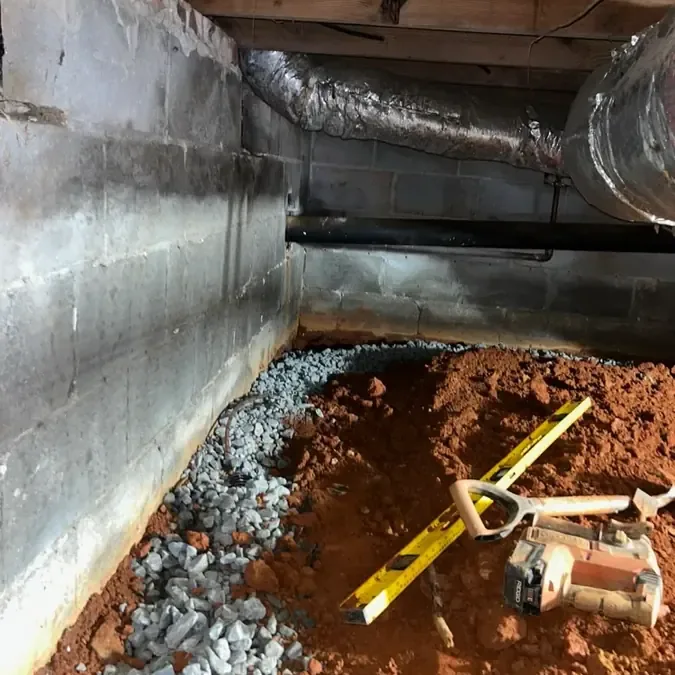
A crawl space loss can remain hidden while the rooms above appear usable. The inspection checks standing water, wet insulation and floor framing as different parts of the problem. Safe access comes first because confined conditions, electrical equipment and contaminated water can change whether entry is appropriate.
Crawl space water removal in Springfield starts with the source
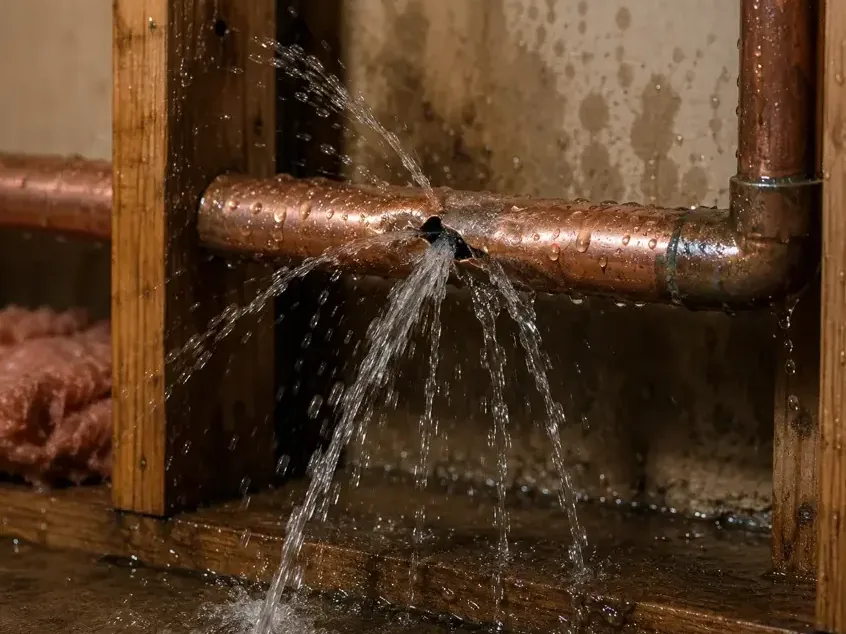
The assessor distinguishes a plumbing release from exterior runoff or another entry path. Pumping clears existing water but does not correct a failed pipe or drainage opening. The source repair and drying plan need to work together so the underfloor area does not refill while equipment operates.
The February 2021 flooding report included Garner Street Park and the Greenway bridge near Main Street. That event supports attention to outdoor water during heavy rain without proving a flood condition beneath any individual house. Properties around Tom Austin Highway and elsewhere in Robertson County need direct checks of the foundation and access arrangement before an underfloor removal plan begins.
- The access assessment checks standing water and electrical exposure before anyone enters beneath the building.
- The technician identifies whether wet insulation contacts floor framing or hangs away from the subfloor after saturation.
- The removal crew plans pumping and handling according to contamination, avoiding discharge that creates another property problem.
- The moisture map includes joists and the underside of the floor, not only the ground where water pooled.
Removing water without overlooking insulation
Clearing the pool can leave saturated insulation and persistently wet wood above it. The mitigation crew evaluates those materials and documents any removal needed for condition, contamination or drying access. The crew checks moisture in the underside of the house after standing water has been cleared from the ground.
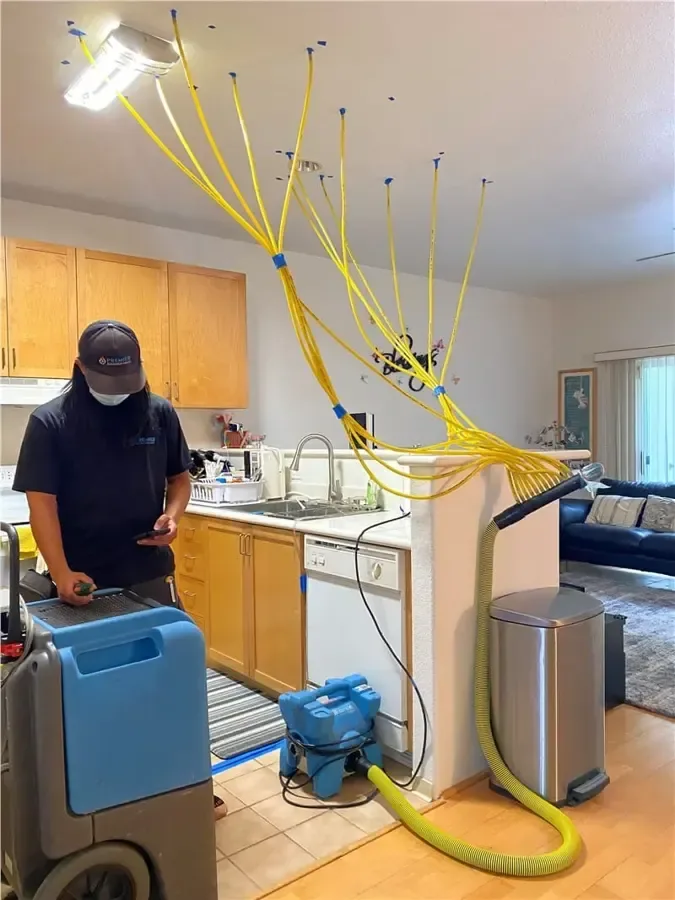
The drying team considers the enclosure, air exchange and equipment suitability for the space. Simply blowing outdoor air beneath a building can add humidity under some conditions. EPA moisture cleanup information provides general principles, while measured conditions determine the equipment arrangement and adjustments at the property.
Checking the floor system before the work closes
The final assessment returns to the same framing and floor locations measured at the start. Slow or rising readings prompt another source and access check. The record distinguishes initial pumping, material removal and the longer structural drying phase so a clear ground surface does not become the only completion criterion.
A lasting repair may involve a plumbing professional or another specialist responsible for the source. The restoration scope does not substitute for that work. FEMA flood information helps owners understand broader flood questions, while the loss documentation describes the actual underfloor entry and affected assemblies without assigning a parcel flood zone.
What does crawl space water removal cost in Springfield, TN?
Crawl space water removal and drying commonly ranges from $1,500 to $7,000. Restricted access, contamination, wet insulation and the amount of affected framing drive the scope.
Accessible pooled water
$1,500 to $2,800
- Source assessment
- Water removal
- Initial framing checks
Wet insulation and framing
$2,800 to $7,000
- Selective removal
- Controlled drying
- Repeated readings
Extensive underfloor loss
$7,000 to $14,000
- Difficult access
- Larger cleanup area
- Extended material work
These are typical ranges, not a quote. Water category, affected area, material class and the delay before drying change the scope. Compare the Springfield water damage cost calculator.
How crawl space water removal progresses
Assess the underfloor space
The technician reviews access, water source and electrical or contamination concerns, then defines the work area and the floor framing locations that need initial measurements.
Remove accumulated water
The removal crew selects appropriate pumping and handling methods, clears accessible liquid and checks whether continuing entry changes the water level during the initial operation.
Evaluate insulation and wood
The mitigation team documents wet or unsuitable insulation, exposes framing where needed and sets a drying plan suited to the enclosure rather than the room above.
Confirm material recovery
The drying crew compares repeated underfloor readings with a dry reference, checks for renewed pooling and records remaining source repairs before insulation or access covers return.
Measured care for crawl space water removal
Rapid local response
The response team treats an active loss as urgent, with 24/7 dispatch and an assessment that starts with safe access, the source and the rooms still taking water.
IICRC S500 drying standard
The drying team compares wet materials with a dry reference, sets equipment for the evaporation load and records changes until the material reaches its drying goal.
Claim-ready documentation
The mitigation crew records the initial condition before opening assemblies, then keeps moisture maps, equipment notes and daily readings together so the scope remains understandable.
Local water experts
The walkthrough follows the actual construction and entry path. The crew traces wet floors, wall stains and exterior entry paths to locate the source and map the affected materials.
Crawl space water removal in Springfield
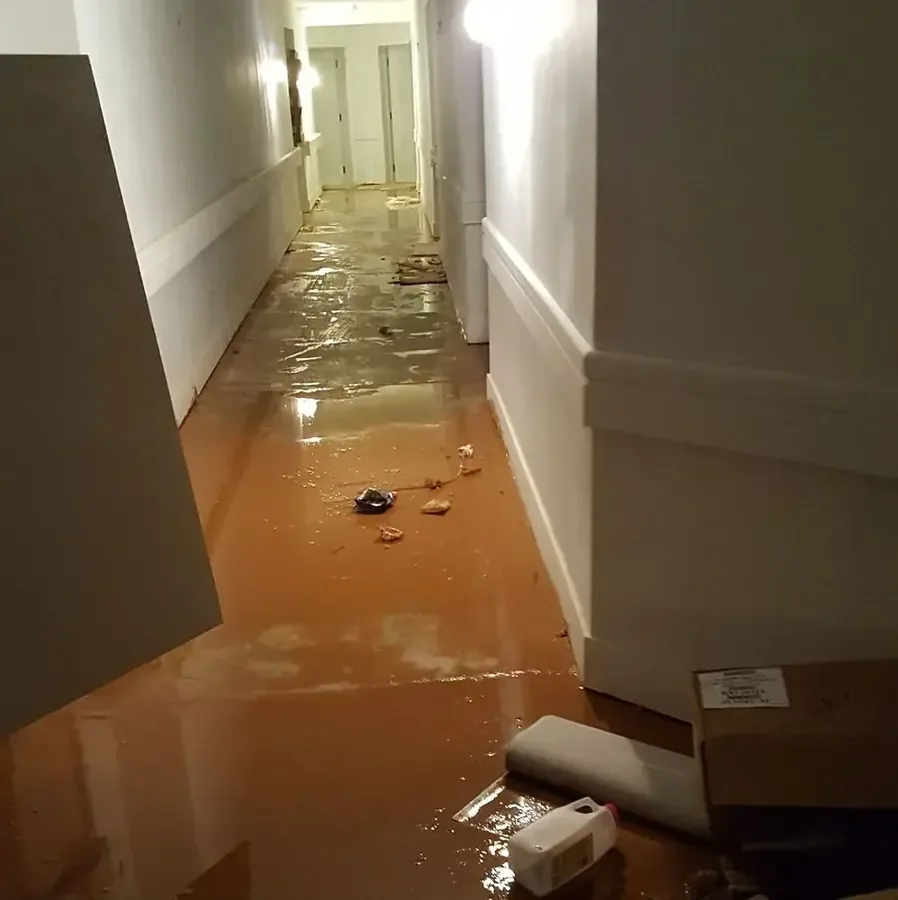
Service coverage includes ZIP 37172, Memorial Boulevard, Tom Austin Highway, Main Street and the Garner Street Park area. The assessment follows the water through the affected building, including concealed floor edges and adjoining rooms.
Water loss dispatch operates 24/7 for the communities listed in the service area.
Crawl Space Water Removal questions in Springfield, TN
Does pumping the crawl space finish the job?
No. Pumping removes accumulated liquid, but insulation, joists and the underside of the floor can remain wet. The drying team checks those assemblies and establishes reference readings. Completion depends on their condition and progress, along with source control, rather than the absence of a visible pool.
Can a plumbing leak look like rain entry below the house?
Yes. Both can collect at low points beneath a floor. The assessor reviews rainfall timing, plumbing observations and the actual entry route before deciding the source. A pump alone cannot answer that question, and the source repair needs to address the finding rather than the appearance of the pool.
Should the owner crawl in to photograph the water?
Residents should avoid entering an unassessed wet crawl space. Electrical exposure, contamination and difficult escape can make access unsafe. A photograph from a safe opening may be useful, but detailed documentation belongs with the controlled inspection after the hazards and appropriate protective measures have been considered.
Does every local house have a crawl space?
No such citywide foundation claim is established here. The service applies where the building actually has an underfloor crawl space. The technician verifies the construction and access at the property, rather than inferring them from a neighborhood, exterior appearance or the age reported by an owner.
Can wet insulation dry where it hangs?
The decision depends on the product, its condition, contamination and whether it prevents effective drying of the framing. Saturated or damaged insulation may require removal. The crew documents that decision and checks the wood beneath it before replacement, instead of treating insulation dryness as a substitute for structural readings.
Why might outside air fail to dry the space?
Outdoor humidity and the enclosure conditions influence whether ventilation removes moisture or adds it. The drying plan uses measured air and material conditions to choose equipment. The technician checks the humidity balance, continuing entry and trapped wet layers before choosing a ventilation approach.
Crawl space water in Springfield needs more than pumping
The crew checks framing, insulation and ongoing entry while documenting progress beneath the affected rooms.
(888) 849-5796Arrange an underfloor moisture assessment