Sewage Backup Cleanup in Springfield, TN
Sewage is Category 3 water from the start. The Springfield cleanup crew isolates the affected area, removes contaminated porous materials and cleans recoverable surfaces before setting a controlled drying plan.
(888) 849-5796Arrange a sewage damage assessment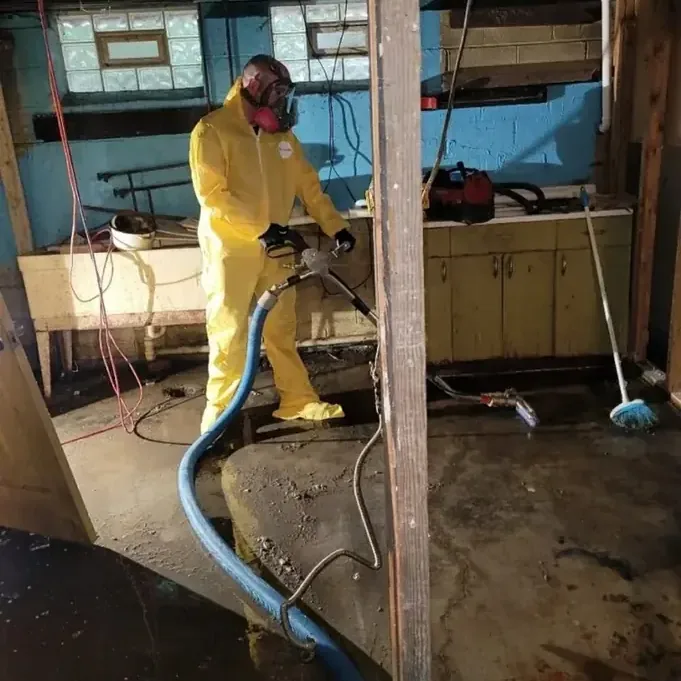
A drain backup changes the cleanup plan even when the affected floor looks easy to wipe. Sewage can carry contamination into pad, drywall, cabinet bases and seams. The mitigation crew controls access and evaluates the full contact area before any air mover spreads air across the wet materials.
Sewage cleanup in Springfield starts with isolation
The crew establishes a boundary between affected and unaffected rooms, selects protective equipment for the exposure and plans a controlled removal route. Gloves, protective clothing, eye protection and suitable respiratory protection form part of the assessment. Foot traffic, tools and removed materials should not carry contamination through clean living areas.
Stonegate homes, properties around Main Street and newer construction in Autumnwood can all have different drain layouts. The source investigation checks whether the backup began in a fixture, a private drain or the public system. The plumbing or utility investigation addresses the obstruction; the indoor cleanup team documents where sewage actually contacted the building.
- The removal plan includes contaminated carpet and pad, not merely visible waste sitting on the surface.
- Drywall removal extends above the affected water boundary where contamination has wicked into porous material.
- Contents are assessed by material and exposure; a washable hard item differs from an absorbent item with contaminated internal layers.
- The crew records the initial condition and disposal decisions before cleaning changes the appearance of the rooms.
Cleaning recoverable surfaces before drying
Physical removal of contaminated material and residue comes before antimicrobial application. The crew cleans suitable hard surfaces thoroughly, then applies an EPA-registered antimicrobial according to its label, including the required dwell time. Product application does not make a contaminated carpet pad or swollen porous cabinet base suitable to keep.
Water can travel behind baseboards and through flooring joints beyond the obvious overflow. The assessment includes connected rooms and the underside of accessible assemblies. EPA flood cleanup information supports a material-based cleanup approach. The source category and actual contact determine the scope, rather than the odor or color alone.
Drying a cleaned building without hiding the loss
After removal and cleaning, the drying team checks remaining wood, concrete and other recoverable materials. The equipment layout avoids moving air from dirty zones into clean rooms. Humidity and material readings document progress, while any continuing drain problem remains a separate issue that needs correction before normal use resumes.
Robertson County property owners should keep the source report, photos, cleaning notes and drying log together. A sewage backup endorsement may differ from ordinary water coverage, so the owner asks the insurer about the specific policy. FEMA recovery information provides broader disaster context; the owner checks backup coverage directly with the insurer.
What does sewage backup cleanup cost in Springfield, TN?
Sewage backup cleanup often ranges from $2,000 to $8,000, with larger contaminated assemblies costing more. Category 3 handling, disposal, access and the number of rooms influence the scope.
Contained hard-surface area
$2,000 to $3,500
- Controlled access
- Residue removal
- Surface treatment
Porous room finishes
$3,500 to $8,000
- Contaminated removal
- Detailed cleaning
- Structural drying
Multiple affected rooms
$8,000 to $15,000
- Larger containment
- Disposal handling
- Extended material checks
These are typical ranges, not a quote. Water category, affected area, material class and the delay before drying change the scope. Compare the Springfield water damage cost calculator.
How sewage backup cleanup progresses
Define the dirty area
The assessor traces sewage contact through floor joints, wall bases and adjoining rooms, then sets access controls and a removal route that protects unaffected spaces.
Remove affected porous layers
The cleanup crew removes contaminated absorbent materials and documents the extent, including wall sections above the visible water boundary where contact has traveled by wicking.
Clean and treat
The team removes residue from recoverable surfaces and follows the EPA-registered product label for application and dwell time, keeping cleaning distinct from structural drying.
Dry and record
The drying crew measures remaining assemblies after cleanup, maintains controlled airflow and assembles source, disposal, treatment and moisture records for the owner’s project file.
Measured care for sewage backup cleanup
Rapid local response
The response team treats an active loss as urgent, with 24/7 dispatch and an assessment that starts with safe access, the source and the rooms still taking water.
IICRC S500 drying standard
The drying team compares wet materials with a dry reference, sets equipment for the evaporation load and records changes until the material reaches its drying goal.
Claim-ready documentation
The mitigation crew records the initial condition before opening assemblies, then keeps moisture maps, equipment notes and daily readings together so the scope remains understandable.
Local water experts
The walkthrough follows the actual construction and entry path. The crew traces wet floors, wall stains and exterior entry paths to locate the source and map the affected materials.
Sewage backup cleanup in Springfield
Service coverage includes ZIP 37172, Memorial Boulevard, Tom Austin Highway, Main Street and the Garner Street Park area. The assessment follows the water through the affected building, including concealed floor edges and adjoining rooms.
Water loss dispatch operates 24/7 for the communities listed in the service area.
Related water damage services in Springfield
Sewage Backup Cleanup questions in Springfield, TN
Can a sewage-wet carpet simply be disinfected?
A contaminated porous assembly needs a removal assessment. Surface treatment cannot reliably address contamination held in pad, backing and inaccessible layers. The cleanup crew distinguishes washable hard surfaces from absorbent materials and documents the decision. The crew bases retention on contamination and material condition, rather than the smell after treatment.
Why is sewage called Category 3 immediately?
The category reflects contamination at the source. Sewage is not treated as clean water merely because the overflow is recent or clear-looking. That classification changes access controls, protective equipment, handling and disposal. The team establishes the affected boundary before planning air movement or routine structural drying.
Does the cleanup crew clear the blocked drain?
Drain repair and indoor cleanup are separate tasks. A plumbing professional or responsible utility investigates the obstruction and restores appropriate drainage. The mitigation crew removes contamination already inside the building. Both records matter because a clean floor can become contaminated again if the source remains unresolved.
Can residents stay in the unaffected part of a home?
That depends on isolation, access, utilities and the extent of contamination. The assessment considers whether residents can avoid the work zone and whether clean rooms remain separated during removal. A general phone description cannot settle every occupancy question. The onsite conditions determine whether part of the building can remain in use.
What documentation helps an insurance discussion?
The owner keeps the source report, photographs before removal, the affected-material list and cleaning records. Drying logs describe remaining structural moisture. The insurer determines whether backup coverage applies and how policy terms treat each expense. The owner can submit that record with the claim and ask the insurer to explain the coverage decision.
Should antimicrobial treatment happen before extraction?
The crew first evaluates hazards and controls the affected area, then removes bulk contamination and unsuitable materials. Appropriate cleaning precedes label-directed antimicrobial treatment of recoverable surfaces. Applying a product over waste or saturated porous layers does not replace that sequence. Drying follows cleanup with airflow suited to the controlled work area.
Sewage damage in Springfield calls for controlled cleanup
The mitigation team separates contaminated removal from drying and documents the materials affected by the backup.
(888) 849-5796Request a contained cleanup plan