Water Extraction in Clarksville
Standing water hides thresholds, floor damage and the extent of soaked materials. Extraction opens the room for a closer assessment while reducing the water available to spread into adjoining spaces.
(888) 849-5796Discuss extraction for the wet floor
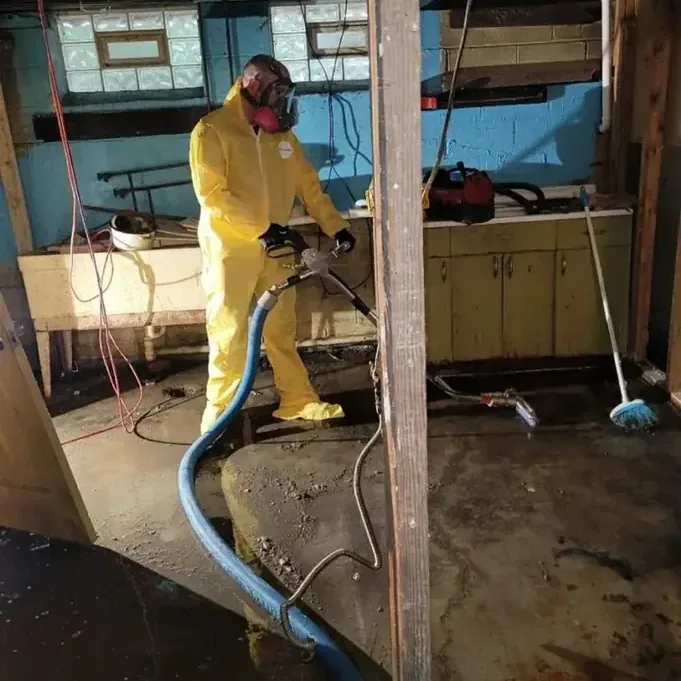
Water extraction in Clarksville begins with a practical question: where can the water be removed safely without spreading it into another area? A room may contain loose rugs, unstable furniture and submerged electrical connections. The initial assessment establishes access, identifies the water source and chooses equipment suited to the depth and surface.
Clear the pool and inspect its boundaries
A deep puddle and a soaked carpet need different handling. Pumps can move accumulated water, while extraction tools recover moisture from accessible floor surfaces. The edge of the pool deserves attention because water can wick beneath a wall plate or run under a threshold even when the center of the room looks shallow.
Removal should reveal the building rather than simply improve its appearance. Flooring seams, cabinet ends and closet corners can show where water continued traveling. The assessment records these locations before drying decisions are made. A surface that no longer holds a puddle can still cover a wet backing or subfloor that needs access.
Residential floodwater leaves a wider cleanup task
Homes on Elberta Drive and Freestone Drive experienced flooding in February 2025. North Woodstock Drive also had residential flood damage after heavy rain. For an affected room, the extraction plan must consider outdoor water contact, deposited debris and the condition of porous finishes alongside the amount of water remaining indoors.
Water condition changes how belongings and removed materials move through the property. A clean exit route helps keep unaffected rooms separate from the work. Furniture resting on wet flooring needs inspection at its base, while boxed possessions can conceal absorbed water. The storm recovery service addresses the broader cleaning decisions after outdoor water enters.
- Check beneath movable items before treating the visible floor as the full extent of the loss.
- Record wet transitions where flooring changes, especially when one finish can trap moisture against another layer.
- Keep extracted water and contaminated debris from passing through spaces that have remained dry during the event.
Use the cleared floor to plan the next stage
Extraction gives the inspector a better view of damaged seams, swollen trim and softened finishes. These observations help determine what can remain and what must be opened or removed. Equipment placement for material drying should follow that assessment so airflow reaches the wet surfaces instead of only the room air.
The final extraction record should distinguish water removed from moisture still held inside materials. Photographs and readings make that distinction clear to the homeowner and to the repair trades. Before new floor coverings are selected, the supporting layers need a documented drying decision, with unresolved access issues identified in the written scope.
What does water extraction cost in Clarksville, TN?
Clarksville extraction costs depend on water depth, floor materials, contamination and access. The estimate should explain which surfaces receive removal work and which retained moisture problems require additional drying or material removal.
Small wet room
$500 to $1,200
- Accessible pooled water
- Floor edge assessment
- Initial moisture checks
Several connected rooms
$1,200 to $3,000
- Multiple floor surfaces
- Threshold moisture tracing
- Wider extraction access
Extensive wet assemblies
$3,000 to $7,500
- Concealed layer assessment
- Broader material handling
- Drying scope coordination
These are typical ranges, not a quote. Water category, affected area, material class and the delay before drying change the scope. Compare the water damage cost calculator.
How water extraction progresses
Classify the water contact
The source and the surfaces touched by water inform removal methods, protective measures and the handling of belongings within the affected room.
Extract by surface type
Equipment removes accessible water from the floor while the operator checks edges and transitions for pooling that the main pass has not reached.
Reassess after removal
Exposed flooring and adjacent finishes are checked for retained moisture, visible deterioration and access needs before a drying arrangement is chosen for the space.
Document the remaining scope
The record identifies extracted areas, wet materials still present and any cleaning or opening work needed to support the next phase of restoration.
Measured care for water extraction
Rapid local response
The response team treats an active loss as urgent, with 24/7 dispatch and an assessment that starts with safe access, the source and the rooms still taking water.
IICRC S500 drying standard
The drying team compares wet materials with a dry reference, sets equipment for the evaporation load and records changes until the material reaches its drying goal.
Claim-ready documentation
The mitigation crew records the initial condition before opening assemblies, then keeps moisture maps, equipment notes and daily readings together so the scope remains understandable.
Local water experts
The walkthrough follows the actual construction and entry path. The crew traces wet floors, wall stains and exterior entry paths to locate the source and map the affected materials.
Water extraction in Clarksville
Clarksville properties in Montgomery County can describe the wet room, access conditions and the source of water when discussing extraction. Include any adjoining closet or lower level showing moisture after the initial release.
The same service nearby: water extraction in Springfield, Russellville, Cross Plains.
Water damage restoration in Clarksville · every town covered
Related water damage services in Clarksville


Water Extraction questions in Clarksville, TN
Can a household vacuum remove the water?
A household vacuum should not be used on standing water. Electrical exposure and contaminated contact are separate concerns from suction capacity. An assessment selects equipment for the actual water condition and floor surface, while also identifying materials that hold moisture beneath the visible pool after removal.
Why is the baseboard checked after extraction?
The baseboard sits at a transition where water can enter a wall or pass beneath the finish. Its condition can help locate a wider wet area. Inspection should consider the wall base and adjoining floor together before deciding whether access or selective removal is needed.
Does carpet always have to be removed?
The answer depends on water condition, backing, padding and damage. A carpet surface can release water while the layer below stays soaked. The scope should explain whether the complete assembly can be cleaned and dried appropriately or whether affected layers need removal before the supporting floor is addressed.
What if another room has only a damp edge?
A damp edge can mark the end of a larger concealed path. The inspector can compare adjoining surfaces and look at thresholds or shared wall bases. That information helps set the extraction boundary and prevents equipment planning from relying solely on the room with the deepest water.
Can furniture remain during water removal?
Some items may be protected or repositioned when access and water condition permit. Heavy furniture can obstruct wet areas, and absorbed water at its base needs separate consideration. The removal plan should identify what must move, where it can safely go and how unaffected belongings will stay separate.
When does drying start after the water is gone?
Drying arrangements follow assessment of remaining materials and necessary cleaning or removal. Air movement alone cannot resolve every trapped layer. A useful handoff identifies accessible wet surfaces, concealed areas needing attention and the measurements that will be used to track progress as the room dries.
Discuss pooled water and adjoining wet edges
Include any access restriction, affected furniture or water still entering when explaining the removal needs for the property.
(888) 849-5796Assess the extraction scope together