Structural Drying in Nashville
Dry air and dry materials are different measurements. Structural drying tracks moisture inside the affected assembly and adjusts equipment or access until the retained surfaces are ready for repair decisions.
(888) 849-5796Discuss retained moisture and drying
A room can feel comfortable while its lower walls still hold water. Nashville's hot, humid summers make controlled indoor conditions relevant to a drying plan, but the material itself remains the focus. Measurements identify where retained moisture needs attention after the release has stopped and the accessible liquid has been removed.
Set a useful starting record
The initial assessment identifies affected materials, available access and suitable comparison areas. Readings should be connected to locations and material types so later checks describe actual change. A single measurement in room air cannot settle the condition of a wet floor substrate or a cavity behind an intact wall surface.
Source repairs and contamination cleanup need clear status before drying is treated as the remaining task. If water is still entering, equipment cannot resolve that source by itself. Likewise, contaminated deposits and unsuitable materials require the appropriate removal or cleaning decisions before airflow is directed around the retained structure.
Match equipment to the assembly
Air movement, dehumidification and access work together. Equipment arranged for an open room may not reach a sealed cavity or the interface beneath a floor covering. Where readings remain elevated, the assessment should consider whether the method is reaching the affected layer and whether an additional opening needs to be discussed.
- Record readings at consistent locations so changes can be compared without confusing a new measurement point with progress.
- Check the effect of coverings and insulation that may prevent moisture from leaving an otherwise accessible building component.
- Evaluate conditions after adjustments rather than assuming that adding more equipment will solve every slow drying area.
A Sylvan Park floor, Germantown partition or Belmont-Hillsboro ceiling needs a plan based on its actual layers. The walkthrough identifies the materials in each wet assembly and records their moisture levels. The useful questions concern what became wet, what can remain and how the affected surface can be reached safely.
Use measurements to support the repair handoff
Progress should be visible in the record, with equipment changes explained where needed. Completion involves the retained materials and the unresolved repair scope, not simply the removal of machines. Damaged finishes may still require replacement even after their supporting structure has reached an appropriate condition.
The owner should understand the final readings, remaining openings and any source issue requiring further attention. The Nashville restoration overview places this stage within the broader sequence from water entry through cleanup and eventual finish repair.
What does structural drying cost in Nashville, TN?
Structural drying costs in Nashville depend on material density, access and the extent of retained moisture. These ranges reflect different assembly sizes and monitoring needs; source repairs and reconstruction should remain clearly described outside the drying scope.
Limited open materials
$1,000 to $2,000
- Accessible wet surfaces
- Focused equipment placement
- Recorded comparison readings
Connected rooms and cavities
$2,000 to $5,000
- Several material interfaces
- Managed concealed access
- Repeated progress evaluation
Dense or extensive assemblies
$5,000 to $12,000
- Broader retained moisture
- Complex equipment adjustments
- Detailed completion documentation
These are typical ranges, not a quote. Water category, affected area, material class and the delay before drying change the scope. Compare the water damage cost calculator.
How structural drying progresses
Establish material references
Initial measurements identify the wet locations and suitable comparison areas, producing a starting record that links readings to specific materials rather than treating the whole room as one condition.
Arrange effective access
The assembly is reviewed for coverings or cavities that limit drying. Any proposed opening is explained in relation to the retained layer and the equipment method intended to reach it.
Evaluate measured progress
Repeat readings and drying conditions inform adjustments to airflow, dehumidification or access, helping the plan respond to actual material changes rather than remain fixed after the initial setup.
Document the repair boundary
Completion notes describe the retained assembly, final observations and remaining finish damage, giving reconstruction a clear distinction between dried structure and materials still awaiting replacement or separate source work.
Measured care for structural drying
Rapid local response
The response team treats an active loss as urgent, with 24/7 dispatch and an assessment that starts with safe access, the source and the rooms still taking water.
IICRC S500 drying standard
The drying team compares wet materials with a dry reference, sets equipment for the evaporation load and records changes until the material reaches its drying goal.
Claim-ready documentation
The mitigation crew records the initial condition before opening assemblies, then keeps moisture maps, equipment notes and daily readings together so the scope remains understandable.
Local water experts
The walkthrough follows the actual construction and entry path. The crew traces wet floors, wall stains and exterior entry paths to locate the source and map the affected materials.
Structural drying in Nashville
Nashville properties in Sylvan Park, Germantown and Belmont-Hillsboro can discuss drying after source repairs and water removal. The relevant details are retained materials, existing openings and any rooms where moisture readings remain elevated.
The same service nearby: structural drying in Springfield, Cross Plains, Franklin.
Related water damage services in Nashville

Water Extraction in Nashville
Follow standing water removal into the hidden wet areas.
Service details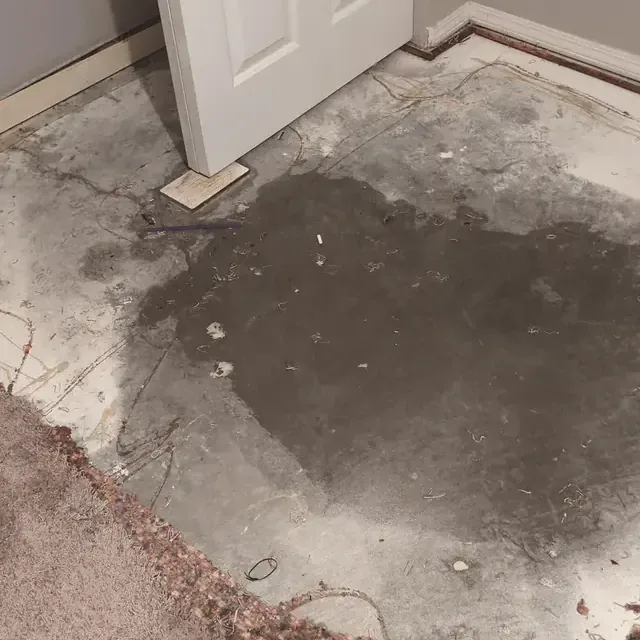
Slab Leak Water Damage in Nashville
Separate pipe access from drying the floor assembly.
Service details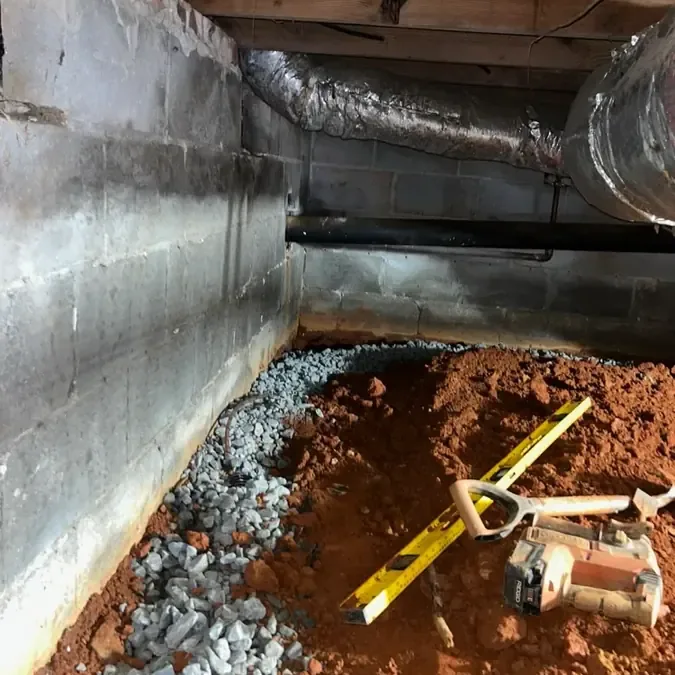
Crawl Space Water Removal in Nashville
Plan safe underfloor access and controlled pumping.
Service detailsStructural Drying questions in Nashville, TN
Why does the room feel dry while equipment remains?
Room air can change before dense or concealed materials release their retained moisture. The drying decision should follow measurements within the affected assembly, not comfort alone. Ask which locations are still being monitored and how those readings relate to the materials that will remain after repairs.
Can windows stay open during controlled drying?
Openings can change the indoor conditions the equipment is intended to manage. Whether outside air helps depends on the situation and should be discussed as part of the plan. Avoid changing the setup without coordination, particularly when readings are being used to evaluate a specific drying method.
Do more fans always mean faster material drying?
Drying concealed layers requires a suitable airflow path and repeated checks of their response. Access, air conditions and the material's position all matter. If progress slows, the assessment should examine whether the method reaches the wet assembly and whether conditions or access need an appropriate adjustment.
How are dry comparison areas used?
Suitable unaffected materials can help interpret readings taken from wet areas of the same type. The comparison should be tied to the material and measurement location rather than treated as a universal number. Recording those details makes later checks more meaningful when deciding on repair readiness.
Will drying restore warped or swollen finishes?
Moisture reduction does not reverse every physical change caused by water. Some finishes remain damaged even after their supporting structure is dry enough for repairs. The handoff should identify that distinction so replacement decisions address actual condition instead of assuming equipment will repair every visible defect.
What if readings stop improving in one location?
That area needs assessment of the source status, material layers and available drying access. Moisture may remain behind a covering or within a cavity that the current method cannot reach effectively. The next step should follow those findings, with changes explained and subsequent measurements recorded.
Repair readiness depends on more than surface appearance
The scope can clarify equipment access, monitoring and the condition required before damaged finishes are replaced over retained materials.
(888) 849-5796Explain the remaining moisture concerns