Sewage Backup Cleanup in Russellville
A drain backup changes how a room can be entered and cleaned. Russellville sewage cleanup starts with controlling contact, identifying the spread and separating drain correction from interior restoration work.
(888) 849-5796Plan cleanup after wastewater entry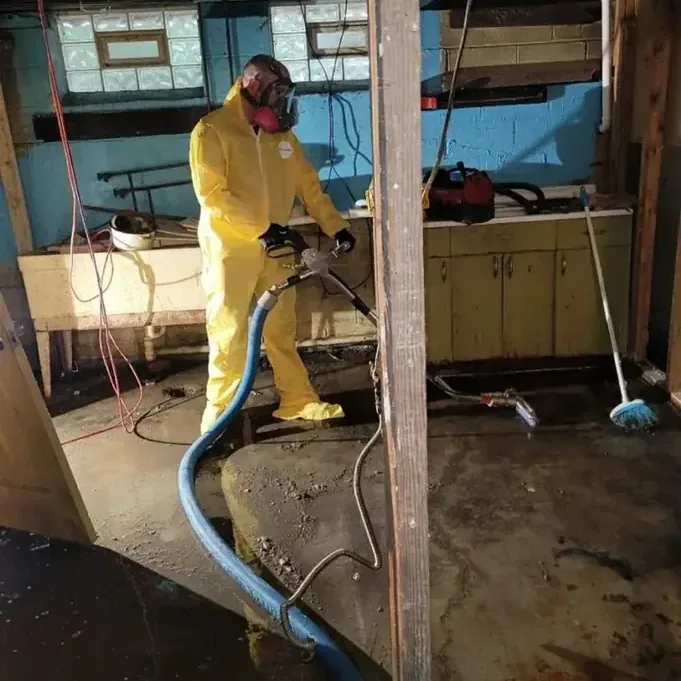
Sewage at a floor drain can spread into a hallway through foot traffic as well as flowing water. The initial cleanup boundary therefore needs to account for both visible wastewater and surfaces that contacted it. Restricting movement through the room helps keep an isolated incident from affecting furniture, dry flooring and adjacent usable spaces.
Separate the sewer report from the indoor cleanup
The City of Russellville publishes a separate after hours contact for sewer emergencies. Reporting an active sewer concern can occur alongside arranging interior damage assessment. Drain correction deals with the reason wastewater entered; restoration deals with the floors, wall bases and contents it reached before the flow stopped.
A property around Nashville Street or Caldwell Street should describe the actual fixture and overflow route. A nearby landmark such as the Logan County courthouse can help establish location, but the work plan depends on the room surfaces and exposure. A contained hard floor area needs different material decisions from wastewater that has entered padding or wall cavities.
Identify porous materials before moving air
The assessment examines carpet, absorbent contents, wallboard and insulation where contact occurred. Some materials need controlled removal because effective cleaning cannot reach throughout their structure. Keeping an inventory and photographs before disposal preserves a useful record while the removal plan limits tracking through clean portions of the building.
- Bathroom doorways should be checked for liquid that escaped beneath a threshold and contacted an adjoining floor layer.
- Items resting on the floor need separate evaluation for contamination at their bases and concealed absorbent components.
- Removal routes should avoid carrying exposed wet debris across dry rooms without a controlled handling arrangement.
Starting ordinary fans before assessment can disrupt the work boundary and spread contaminated material. Removal and cleaning decisions come first. Equipment selected for the later drying stage should operate within a defined plan that accounts for the original contact area and surfaces opened during cleanup.
Close the work with clear surface records
After wastewater and unsuitable materials are removed, accessible surfaces receive the specified cleaning treatment. Drying then addresses moisture remaining in materials retained for repair. The record should identify what was removed, what was cleaned and which locations were monitored, so those tasks are not collapsed into a vague description of a washed floor.
Room use and reconstruction should follow the completion assessment and any remaining source concerns. The property owner needs to know whether the drain correction is complete and whether another area still requires attention. The water damage overview connects related services, while structural drying describes the moisture control stage after material handling and cleaning.
What does sewage backup cleanup cost in Russellville, KY?
Sewage cleanup pricing in Russellville depends on contact area, porous material removal and cleaning access. The estimate should describe containment and disposal tasks alongside the drying needed after affected surfaces are treated.
Contained hard-surface area
$2,000 to $3,500
- Accessible wastewater contact
- Localized surface cleaning
- Limited removal
Porous room finishes
$3,500 to $8,000
- Absorbent material handling
- Exposed cavity cleaning
- Drying assessment
Multiple affected rooms
$8,000 to $15,000
- Extended contact mapping
- Broader disposal scope
- Room separation
These are typical ranges, not a quote. Water category, affected area, material class and the delay before drying change the scope. Compare the water damage cost calculator.
How sewage backup cleanup progresses
Define the contact zone
Inspection traces wastewater across visible floors and into porous edges, establishing access limits and identifying materials that need controlled handling before other cleanup activities begin.
Remove affected waste
Standing wastewater and unsuitable materials are removed using a planned route. Contents decisions and photographs support the record of the surfaces exposed during the incident.
Treat accessible surfaces
The cleaning scope addresses retained surfaces after removal creates access. Attention then turns to moisture held in materials that remain in place for subsequent repairs.
Verify the remaining scope
Followup assessment links cleaning and drying records with unfinished tasks. The handoff identifies unresolved drain concerns, repair openings and any area still outside the completed work boundary.
Measured care for sewage backup cleanup
Rapid local response
The response team treats an active loss as urgent, with 24/7 dispatch and an assessment that starts with safe access, the source and the rooms still taking water.
IICRC S500 drying standard
The drying team compares wet materials with a dry reference, sets equipment for the evaporation load and records changes until the material reaches its drying goal.
Claim-ready documentation
The mitigation crew records the initial condition before opening assemblies, then keeps moisture maps, equipment notes and daily readings together so the scope remains understandable.
Local water experts
The walkthrough follows the actual construction and entry path. The crew traces wet floors, wall stains and exterior entry paths to locate the source and map the affected materials.
Sewage backup cleanup in Russellville
For a Russellville property, report which drains overflowed and which rooms received wastewater. A location near Nashville Street, Caldwell Street or the Logan County courthouse helps identify the property while room conditions set the scope.
The same service nearby: sewage backup cleanup in Springfield, Franklin, Cross Plains.
Water damage restoration in Russellville · every town covered
Related water damage services in Russellville

Water Extraction in Russellville
Follow standing water removal into the hidden wet areas.
Service details
Structural Drying in Russellville
Use material readings to guide equipment adjustments.
Service details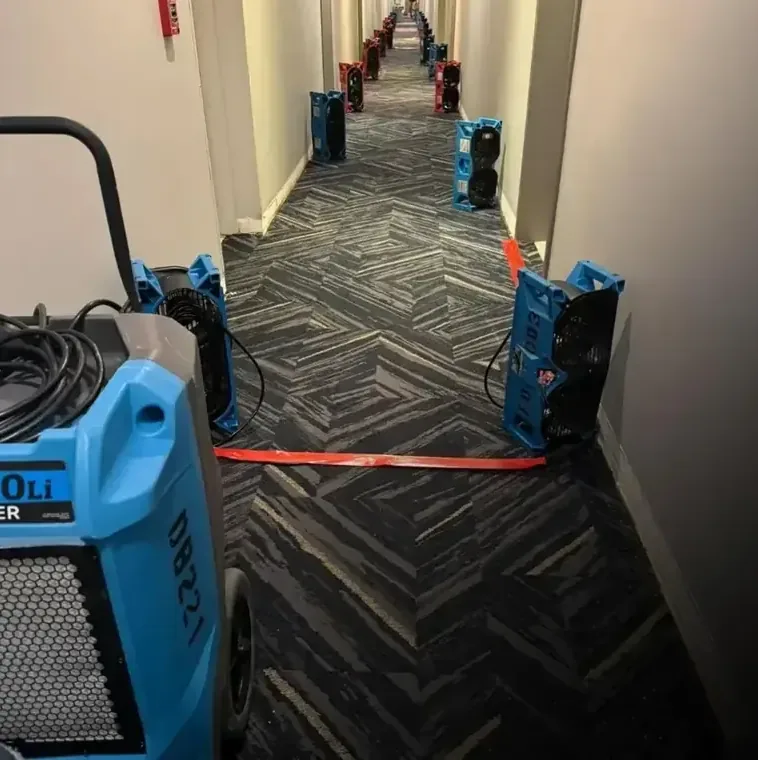
Commercial Water Damage in Russellville
Coordinate wet work areas with business access.
Service detailsSewage Backup Cleanup questions in Russellville, KY
Who handles a sewer emergency reported to the city?
The city publishes a dedicated after hours sewer emergency contact for reporting those concerns. An interior overflow also needs assessment of the damaged rooms and contents. The report and the restoration scope serve separate functions, so the property owner should keep the findings from both together.
Can the floor simply be mopped and reused?
A hard surface may have joints, edges and nearby porous finishes that also received wastewater. The assessment needs to identify those contact points before deciding the cleaning scope. Visible liquid removal alone leaves unanswered questions about absorbent materials and concealed areas that the overflow may have reached.
Why should occupants avoid walking through the room?
Footwear and moved belongings can carry wastewater into otherwise dry areas. Restricting access helps keep the cleanup boundary manageable and reduces contact with affected surfaces. The work route should be planned before contents or debris are carried across adjoining rooms toward an exterior disposal location.
What happens to wet carpet and padding?
Wastewater exposure requires evaluation of the entire porous assembly, including backing and padding beneath the visible face. Controlled removal may be necessary where cleaning cannot reach the contaminated material adequately. The written scope should identify the affected layers and document their condition before the removal decision is carried out.
Should fans run while waiting for the assessment?
Unplanned airflow can disturb contaminated material and complicate the separation of affected and clean areas. Equipment placement belongs after the contact zone and handling plan are established. Drying is still part of restoration, but it follows the removal and cleaning decisions appropriate to the wastewater release.
How are drain repairs reflected in the cleanup estimate?
The estimate should distinguish drain investigation and correction from interior removal, surface treatment and moisture control. Resolving a blockage does not remove wastewater already inside the building. Keeping those tasks separate helps the owner understand what has been completed and which conditions still prevent a room from returning to use.
Plan removal around affected surfaces
Report whether anyone has moved soaked contents through another room and identify any remaining drain or access concerns.
(888) 849-5796Request a sewage damage assessment