Storm Flood Cleanup in Russellville
Rainwater entering through a doorway brings a different cleanup problem from a leaking supply pipe. Russellville flood assessment examines the entry opening, carried debris and every interior surface the water reached.
(888) 849-5796Discuss the outdoor water entry
A muddy trail across a threshold can reveal where outdoor water entered, but it rarely shows the entire affected area. Water may continue beneath furniture, into floor joints and behind wall trim after the visible flow slows. Storm cleanup begins by identifying those paths and assessing access before occupants reenter the damaged rooms.
Start with the entry opening and changing conditions
Russellville occupies small hills around Town Branch, which flows north into the Mud River and belongs to the Green River watershed. At an affected property, the inspection records the actual opening, exterior water conditions and interior contact marks. Those observations help distinguish a doorway entry from water arriving through another building component.
Continuing inflow, unstable materials and electrical exposure can limit initial cleanup. The work sequence must respond to the condition present, including whether water levels are still changing. Photographing visible deposits from a dry location preserves a record without requiring movement through an uncertain water depth or damaged floor assembly.
Sort materials by contact and cleanability
Outdoor water can carry soil and debris into absorbent finishes. A room that appears mostly clear after pumping may still have affected carpet backing, wallboard edges and contents at floor level. The inspection therefore follows contact marks into concealed layers and identifies which materials can be cleaned and retained.
- Separate dry possessions from wet items only through a planned route that avoids spreading debris across usable floors.
- Record water marks before cleaning removes them, including marks inside closets and behind accessible furniture near the entry.
- Check the underside of floor coverings when exposure or trapped sediment indicates that surface cleaning cannot reach the affected layers.
Removal choices should be explained in the scope with photographs and material descriptions. This gives the owner a clearer basis for contents decisions and helps distinguish damage cleanup from later improvements to drainage or the building envelope. Those preventive changes require their own evaluation after the immediate loss.
Move from removal to a repairable interior
Once access allows, water and debris removal expose the surfaces needing cleaning. Drying then addresses retained materials using equipment selected for the room layout and wet assemblies. Monitoring should focus on the most affected locations as well as their boundaries, especially where water entered beneath a finish and spread unnoticed.
The completion record should identify contact areas, removed components, cleaning tasks and remaining repairs. If reconstruction involves structural alteration, the city's building permit requirement belongs in that planning. Underfloor water removal may be relevant where inspection finds pooling below the interior, while structural drying addresses retained moisture after cleanup creates access.
What does storm flood cleanup cost in Russellville, KY?
Storm cleanup in Russellville depends on indoor contact, debris handling and the number of affected assemblies. Estimates should name removal and cleaning tasks as well as equipment needed to dry retained building materials.
Limited indoor entry
$3,000 to $5,000
- Defined doorway spread
- Accessible sediment removal
- Surface assessment
Several wet rooms
$5,000 to $12,000
- Connected contact areas
- Porous finish removal
- Expanded cleaning
Extensive flood contact
$12,000 to $25,000
- Broad interior exposure
- Complex contents handling
- Material monitoring
These are typical ranges, not a quote. Water category, affected area, material class and the delay before drying change the scope. Compare the water damage cost calculator.
How storm flood cleanup progresses
Evaluate entry conditions
Assessment establishes the access limits, ongoing inflow and visible contact boundary, identifying the building openings and room connections that should shape the indoor cleanup sequence.
Clear water and debris
Removal focuses on accessible accumulated water and carried material. Porous finishes and contents are evaluated separately so cleanup reaches beyond the visible sediment on top.
Expose and clean surfaces
Selected removal creates access to affected components, followed by cleaning appropriate to their condition. Retained materials are then checked for moisture requiring further drying attention.
Track recovery decisions
The record links material readings with removal and cleaning work, then identifies remaining repairs and entry related concerns that require evaluation before the property returns to normal use.
Measured care for storm flood cleanup
Rapid local response
The response team treats an active loss as urgent, with 24/7 dispatch and an assessment that starts with safe access, the source and the rooms still taking water.
IICRC S500 drying standard
The drying team compares wet materials with a dry reference, sets equipment for the evaporation load and records changes until the material reaches its drying goal.
Claim-ready documentation
The mitigation crew records the initial condition before opening assemblies, then keeps moisture maps, equipment notes and daily readings together so the scope remains understandable.
Local water experts
The walkthrough follows the actual construction and entry path. The crew traces wet floors, wall stains and exterior entry paths to locate the source and map the affected materials.
Storm flood cleanup in Russellville
Russellville lies in the Town Branch valley, within the Green River watershed. Cleanup requests from ZIP 42276 should describe the actual indoor entry, water level changes and rooms reached during the storm.
The same service nearby: storm flood cleanup in Springfield, Franklin, Cross Plains.
Water damage restoration in Russellville · every town covered
Related water damage services in Russellville
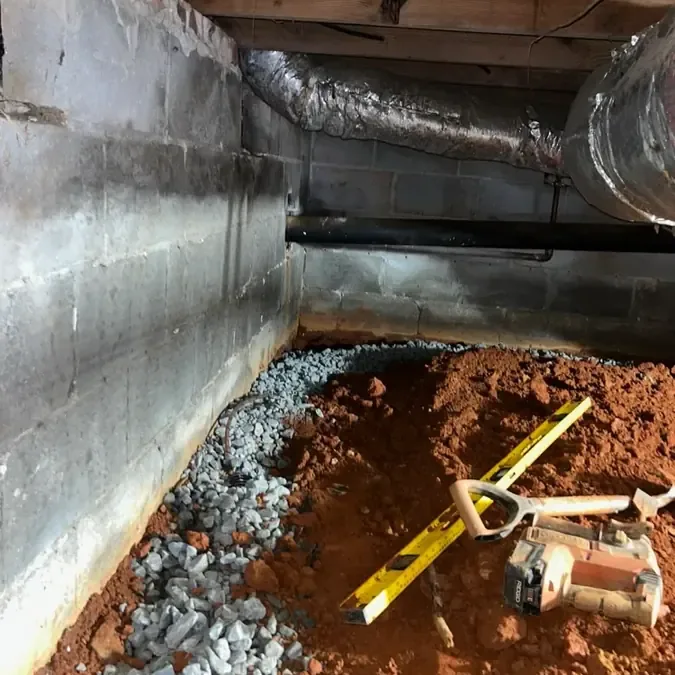
Crawl Space Water Removal in Russellville
Plan safe underfloor access and controlled pumping.
Service details
Structural Drying in Russellville
Use material readings to guide equipment adjustments.
Service details
Water Extraction in Russellville
Follow standing water removal into the hidden wet areas.
Service detailsStorm Flood Cleanup questions in Russellville, KY
Does nearby Town Branch change the interior cleanup scope?
The scope follows the observed water entry and material contact at the property. The local watershed describes the setting, while room conditions determine removal, cleaning and drying decisions. Photographs of actual deposits and water marks are useful for defining those tasks after the entry has stopped.
Can belongings be moved before the assessment?
Dry items may need protection, but movement through wet or muddy areas can spread contamination and obscure original damage. A planned handling route helps separate unaffected possessions from contacted items. Safe photographs and an inventory should accompany decisions about cleaning, relocation or disposal of affected belongings.
Why inspect a room that contains no standing water?
Water may have passed through the room or beneath a finish without collecting in a visible pool. Deposits, damp edges and material readings can show that path. Looking at connected spaces helps keep hidden moisture and contact areas from being left outside the cleanup boundary.
Is drying equipment the first step after outdoor flooding?
Safe access and the condition of the water come first. Debris removal and cleaning may need to precede the drying arrangement, particularly where affected porous materials require handling. The sequence should match the incident so airflow is applied to an appropriately prepared work area with known wet materials.
How are improvements to drainage handled in the estimate?
The immediate restoration scope should describe damage removal, cleaning and drying. Exterior drainage changes or building alterations are separate proposed work that may require additional planning. Keeping the descriptions distinct lets the owner evaluate current loss recovery without confusing it with a future modification to the property.
What records help with a storm damage claim?
Photos showing the entry, interior marks and affected belongings help explain the observed incident. Removal descriptions, cleaning notes and drying records show what work followed. The insurer determines policy coverage, while the restoration documentation should remain a clear account of the damage and the tasks performed.
Describe entry openings and affected rooms
Mention continuing inflow and any belongings already moved, since those details help establish access and material handling priorities.
(888) 849-5796Plan the interior flood recovery