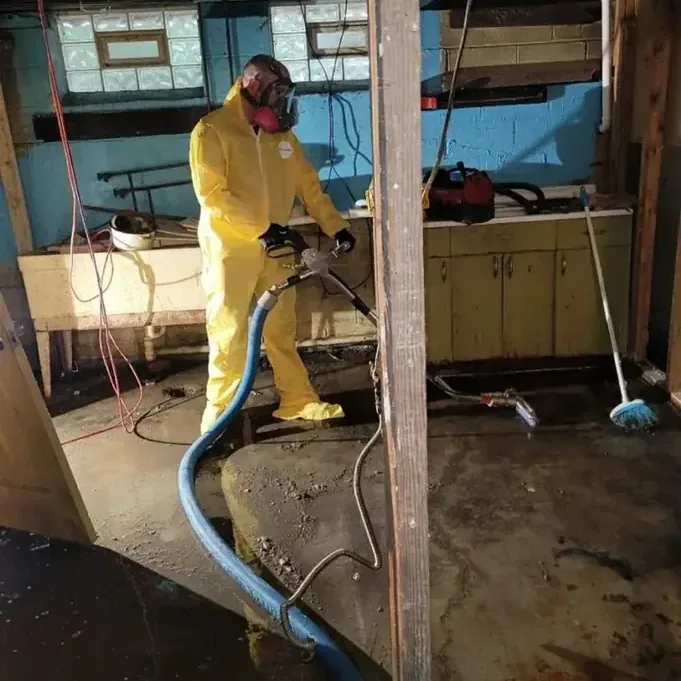
Metro Water Services describes how rainfall can enter defective sanitary sewer pipes and contribute to overflows when capacity is exceeded. For a Nashville resident with sewage entering a room during heavy rain, the immediate priorities are to restrict the affected area, report the observed drain problem and arrange appropriate cleanup. The interior record should identify the fixture or opening involved, the surfaces contacted and any continued return of water.
Key takeaways
- Keep occupants and pets away from sewage affected rooms.
- Report the fixture behavior and rainfall timing as separate observations.
- Avoid moving contaminated belongings through clean living areas.
- Coordinate drainage assessment with removal and cleaning of affected materials.
- Begin drying retained surfaces after the contamination work has been addressed.
Understand the published wet weather context
The city's original sewer system carried sanitary sewage and stormwater together, and later development introduced separate sanitary and storm sewers. Metro Water Services explains that deteriorated sanitary pipes can admit rain through leaks, creating additional flow during wet weather and contributing to sewer overflow conditions.
The utility's overflow reduction work includes storage of wet weather flows through the Clean Water Nashville Overflow Abatement Program. For an indoor incident, the homeowner's report should still focus on the actual fixture behavior, the timing and the material contacted, so the people investigating have specific observations from the building.
The sewage backup cleanup service addresses the affected interior. The drainage assessment and cleanup should exchange relevant findings, with the source investigation explaining the drain condition and the cleanup record describing the surfaces and contents that require treatment in the room.
- Record which fixture or opening released water.
- Note whether more than one drain showed unusual behavior.
- Describe continuing return water before work is scheduled.
- Keep the rainfall timing in the incident notes.
Establish a boundary around the affected room
A sewage loss needs a clear separation between affected and unaffected space. Occupants should remain outside the room and avoid walking through the water to retrieve belongings, while the cleanup provider evaluates access, nearby electrical conditions and the route needed for equipment and material handling.
The boundary should follow the observed spread, including water at doorways or lower wall edges beyond the fixture. A room that looks less affected can still require assessment if water crossed its threshold, making a careful perimeter check useful before normal household movement resumes nearby.
Household fans should not be used to blow across a sewage affected area. The work plan needs to address contamination and material handling before arranging the later drying setup, with the provider explaining the restricted area and the precautions that remain in place during cleanup.
Preserve the fixture story without recreating the backup
The person investigating drainage needs the sequence of events that was actually observed. A toilet rising, water returning through another opening or repeated accumulation after a pause can each be described in the report, without running additional fixtures merely to demonstrate the symptom in an already affected room.
Metro Water Services provides water, wastewater and stormwater services to the city and most of Davidson County. An owner reporting a service concern should give the relevant property information and observations, while private plumbing questions are assessed by the appropriate provider for the building's actual drainage condition.
The cleanup provider should know whether the drainage problem remains active. Removal work and contents handling need to account for further return water, so the source status should be communicated as it changes instead of being assumed resolved because the first visible pool has been collected.
- Avoid testing fixtures to reproduce a contaminated release.
- Keep photographs of the entry opening when safely available.
- Share drainage findings with the interior cleanup provider.
- Record renewed water appearance after the initial report.
Make removal decisions material by material
An affected bathroom or utility space can contain durable surfaces, absorbent finishes and stored items that need different treatment. The scope should identify the contact observed and explain which materials can be cleaned and which require controlled removal, keeping those decisions tied to actual condition and accessibility.
A photograph of the room before removal helps connect discarded material with its original location. When a lower finish or floor covering is opened, further photographs should record the condition beneath it, giving the owner a clear account of why the affected area may extend beyond the first visible stain.
Possessions need a handling plan that prevents contaminated items from entering a clean storage area without assessment. The owner should receive an understandable list of affected groups and proposed actions, with specialty items identified for the appropriate evaluation rather than given a blanket promise of recovery.
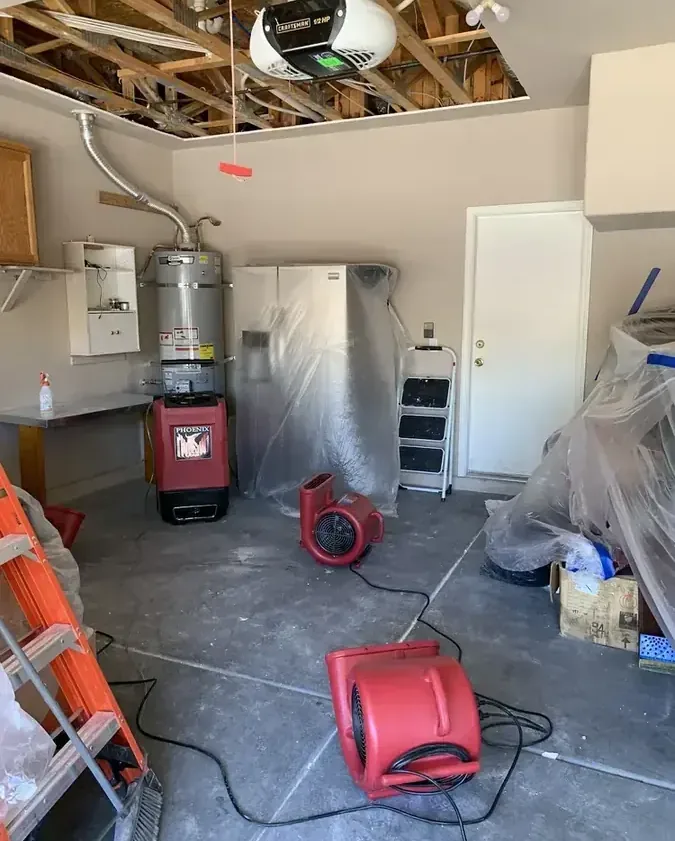
Cleaning prepares the retained surfaces for drying
Collected water and removed finishes leave the retained structure available for detailed cleaning. That work should include the surfaces and accessible edges within the affected boundary, with handling routes arranged so debris and wet materials leave through a controlled path instead of crossing occupied living space unnecessarily.
The water extraction process is part of liquid removal, while sewage cleanup also addresses contamination and the condition of contacted materials. The owner should be able to see both tasks in the scope, along with any access needed to reach affected areas below or behind a finish.
The transition to drying should be explained clearly. The provider can identify which retained materials are ready for treatment, which areas remain restricted and whether additional cleaning or removal is still needed, preventing the presence of drying equipment from being mistaken for completion of the entire cleanup.
- Keep debris handling within the agreed work route.
- Document the retained surfaces after cleaning.
- Identify any concealed edge requiring further access.
- Explain restrictions that continue while treatment proceeds.
Follow the cleaned assembly through moisture checks
Retained surfaces can require drying after cleaning is complete. The structural drying service should identify the material being followed at each inspection point and record its response over the course of treatment, giving the owner a material specific account of progress.
Some sections may need more attention because of limited access or the arrangement of the actual assembly. A cabinet end, wall cavity or floor transition should be described directly when it remains part of the drying work, with any adjustment connected to the recorded condition at that location.
Final measurements and photographs should remain linked to the original contamination boundary. That continuity shows how the same affected room moved from restricted access through removal, cleaning and drying, and it helps the next contractor understand what material remains before planning finish repairs.
Close the interior work with the drainage status recorded
The homeowner needs to know both what happened inside and what was found in the drainage assessment. The closing file should name the source investigation or repair status, identify any further plumbing work and describe the interior material treatment without blending those separate responsibilities into an unexplained completion statement.
A final walkthrough should confirm which rooms can return to use and which still have construction or specialty work pending. This is especially helpful when a cleaned space remains unfinished, since an open wall edge or removed floor covering may require another visit after mitigation equipment leaves.
Keeping the incident sequence, service correspondence and cleanup photographs together gives the owner a practical record if another drain symptom appears. The next report can then describe the new observation clearly while preserving the details of the earlier indoor treatment and any drainage work already performed.
Questions
How can rain enter a sanitary sewer?
Metro Water Services describes rainwater entering defective sanitary pipes through leaks. Extra wet weather flow can exceed system capacity and contribute to overflows, which is part of the context for the utility's improvement work.
Should other fixtures be used to test a backup?
Additional fixture use should wait for appropriate drainage advice. A description of the symptoms already observed is useful without deliberately creating another release into the affected room.
Can household fans begin drying the floor?
Sewage affected areas need isolation and contamination assessment before airflow is arranged. Household fans blowing over affected surfaces can interfere with that controlled cleanup approach.
Are all possessions handled the same way?
Treatment depends on the item's material, condition and water contact. Durable objects, absorbent belongings and specialty goods may require different decisions, which should be explained before movement or disposal.
What proves the interior scope is finished?
The record should show the removal and cleaning completed, the condition of retained materials and the final drying assessment. Remaining plumbing or reconstruction work should be listed separately for the owner.