Sewage Backup Cleanup in Nashville
Water rising from a drain changes how the room must be handled. Restrict entry, stop use of affected fixtures and arrange source investigation alongside controlled removal of contaminated materials.
(888) 849-5796Discuss contaminated room conditions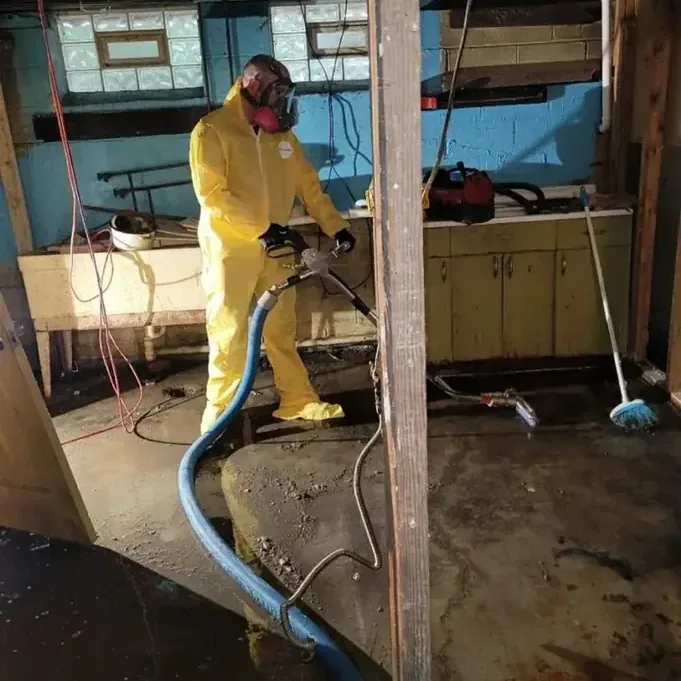
Sewage coming into a Nashville room needs prompt separation from normal household activity. Foot traffic can carry contaminated water into otherwise dry spaces. The initial scope therefore includes access control and the route for removing affected materials, as well as the puddle itself. Children and pets should remain outside the work area.
Separate the indoor backup from the sewer event
Metro Water Services provides wastewater service to the city and most of Davidson County. The sewer system includes a history of combined sewers and a later transition to separate systems. Deteriorating sanitary pipes can admit rainfall, and extreme inflow can exceed capacity. These system conditions provide context for investigating water that appears during heavy rain.
An indoor backup still needs its own source assessment. The drain problem and the contamination inside the building are related tasks, but repairing the drain does not clean the contacted floor. Report which fixture overflowed, whether multiple fixtures reacted and whether water remains active. Drain service and interior cleanup can then be coordinated around those observations.
Decide what can remain after contact
Porous finishes require particular attention because contamination can penetrate below their visible face. Carpet padding, damaged wallboard and absorbent contents may need removal rather than surface wiping. Retained hard surfaces need cleaning appropriate to their material and exposure. The plan should describe these choices before equipment spreads air across contaminated deposits.
- Keep wet belongings separate from clean items and document their condition before decisions about disposal or treatment.
- Protect the route used to remove debris so cleanup activity does not enlarge the affected area through traffic.
- Check wall bases and floor transitions where contaminated water may have entered a layer hidden from direct view.
A Germantown apartment room, a Midtown workspace or a Woodbine household each needs a work boundary based on actual contact. The name of the neighborhood does not decide which finishes remain suitable for restoration. Condition, exposure and access are the practical criteria.
Dry only after the cleaning stage is addressed
Once contaminated water and unsuitable materials are removed, the retained structure can be assessed for drying. Moisture readings help locate wet cavities and establish progress. Odor alone is not a completion measurement, and masking it cannot replace removal or cleaning of an affected material.
The final record should identify the source response, materials removed, surfaces treated and remaining moisture work. For damage spanning several rooms, water removal planning helps explain why extraction and drying are separate parts of a complete cleanup scope.
What does sewage backup cleanup cost in Nashville, TN?
Sewage backup cleanup in Nashville depends on contact area, porous material exposure and removal access. The ranges reflect contamination handling and interior work; drain repairs should be clearly identified separately.
Contained hard-surface area
$2,000 to $3,500
- Contact boundary
- Controlled water removal
- Surface cleaning access
Porous room finishes
$3,500 to $8,000
- Absorbent material assessment
- Protected debris route
- Exposed structure cleaning
Multiple affected rooms
$8,000 to $15,000
- Expanded contamination footprint
- Connected room treatment
- Documented drying scope
These are typical ranges, not a quote. Water category, affected area, material class and the delay before drying change the scope. Compare the water damage cost calculator.
How sewage backup cleanup progresses
Define contact limits
The inspection follows sewage contact across surfaces and into concealed edges, establishing a work boundary that protects occupied spaces and the route through the property.
Remove affected matter
Water, deposits and materials unsuitable for retention are handled within the cleanup plan, with controlled movement out of the affected area and attention to nearby clean contents.
Clean retained surfaces
Exposed materials are cleaned according to their condition and contact history before drying equipment is positioned, keeping the cleaning decision distinct from the moisture reduction task.
Check retained structure
Measurements locate residual moisture after removal and cleaning. The record explains remaining drying needs and the damaged finishes that will require a later repair or replacement decision.
Measured care for sewage backup cleanup
Rapid local response
The response team treats an active loss as urgent, with 24/7 dispatch and an assessment that starts with safe access, the source and the rooms still taking water.
IICRC S500 drying standard
The drying team compares wet materials with a dry reference, sets equipment for the evaporation load and records changes until the material reaches its drying goal.
Claim-ready documentation
The mitigation crew records the initial condition before opening assemblies, then keeps moisture maps, equipment notes and daily readings together so the scope remains understandable.
Local water experts
The walkthrough follows the actual construction and entry path. The crew traces wet floors, wall stains and exterior entry paths to locate the source and map the affected materials.
Sewage backup cleanup in Nashville
Nashville sewage cleanup discussions can include properties in Germantown, Midtown and Woodbine. Report the fixture involved, any continued rising water and the rooms contacted so the work boundary can be established.
The same service nearby: sewage backup cleanup in Springfield, Cross Plains, Franklin.
Related water damage services in Nashville



Sewage Backup Cleanup questions in Nashville, TN
Is clear looking drain water safe to walk through?
Water rising from a drain needs a source and contamination assessment before cleanup begins. Keep access restricted and report the source before anyone attempts removal. Wet electrical equipment adds a separate hazard, so a dry route and appropriate assessment are necessary even when the water contains little visible debris.
Will fixing the blocked drain finish the work?
Stopping the backup prevents further entry, but contacted surfaces and contents still require evaluation. Interior cleanup may involve removal of porous materials, cleaning of retained surfaces and drying of wet structure. The drain repair and the room restoration should have clearly described responsibilities and scopes.
Should fans run immediately in the affected room?
Air movement should follow a contamination assessment and appropriate removal or cleaning. Positioning fans around sewage deposits can interfere with controlled handling. The cleanup plan needs to establish the affected boundary and address contamination before equipment is selected to dry materials that can remain.
Can wet carpet padding be cleaned in place?
Sewage contact with absorbent layers often requires removal because surface cleaning cannot address the full depth. The assessment should consider the carpet, padding and substrate separately. The written scope can explain which materials are unsuitable for retention and how the exposed surface will be handled.
Does rainfall mean the city sewer caused the backup?
The timing is useful information for the investigation, but the source at the property still needs assessment. Report whether the overflow coincided with rainfall and whether other fixtures reacted. Interior cleanup decisions then follow the actual contact area and condition of the water affected materials.
How are nearby clean rooms protected during removal?
The work plan should establish separate access and a controlled debris route where practical. Wet contents should not be placed among unaffected belongings. Tracking the contamination boundary and cleaning affected surfaces helps keep removal activity from spreading the problem into rooms outside the original loss.
Keep clean rooms apart from the affected area
Report whether the drain is still rising and whether anyone can approach the room through a dry route.
(888) 849-5796Explain the drain overflow