Storm Flood Cleanup in Nashville
Outdoor floodwater leaves a contact path through rooms and belongings. Cleanup needs to address debris and contamination before retained building materials can be dried and prepared for repairs.
(888) 849-5796Discuss indoor flood contact
Nashville's May 2010 flooding affected areas along the Cumberland River, Harpeth River and Mill Creek. The Grand Ole Opry House sustained flood damage, and sections of Interstate 24 and Briley Parkway flooded. A March 2021 report again described flooded roads and submerged vehicles. Inside a property, the cleanup scope starts with where outdoor water entered and everything it contacted.
Do not rush the return indoors
A retreating water level can leave unsafe electrical conditions, unstable finishes and contaminated deposits. Entry should follow appropriate safety assessment rather than the appearance of a clearer floor. Photographs from dry ground can record the visible boundary without requiring anyone to cross a flooded room or approach wet equipment.
Once access is established, the inspection maps the water contact area and identifies contents that need separate handling. Water marks are useful observations, but moisture may extend above a visible mark through absorbent materials or below a floor finish through seams. The plan should include those interfaces when determining removal and cleaning needs.
Debris removal is part of the material decision
Outdoor water can bring sediment into corners, beneath cabinets and against wall bases. Extraction alone leaves those deposits behind. Cleanup therefore includes removal of affected matter and evaluation of porous finishes that cannot be adequately cleaned in place. Retained hard surfaces need attention before drying equipment is used across the work area.
- Photograph contacted belongings and keep them apart from dry possessions before sorting items for treatment or disposal.
- Inspect flooring transitions where muddy water may have moved beneath a covering and reached its underlying support layer.
- Plan a controlled removal route so wet debris does not pass unprotected through otherwise unaffected rooms or occupied spaces.
A property beside Mill Creek still needs a building specific assessment. Water entry through a doorway, opening or lower wall can create different cleanup access needs. The observed route and material exposure determine the work rather than a general description of the surrounding area.
Make the drying stage serve the remaining structure
After deposits and unsuitable finishes are removed, measurements help define the wet materials that can remain. Controlled drying addresses those layers and provides a basis for deciding when repairs can start. A clean looking surface should not be covered again while the underlying assembly is still wet.
The scope should distinguish contamination cleanup, drying and reconstruction. When water remains pooled inside, extraction planning explains the bulk removal stage. Documentation of each stage helps the owner understand the work completed and the repairs still ahead.
What does storm flood cleanup cost in Nashville, TN?
Storm flood cleanup costs in Nashville depend on contamination, deposits, contacted materials and safe access. These ranges describe interior recovery scales; exterior repairs and replacement finishes need their own clear scope.
Limited indoor entry
$3,000 to $5,000
- Defined water contact
- Localized debris removal
- Retained surface cleaning
Several wet rooms
$5,000 to $12,000
- Connected contaminated spaces
- Porous finish assessment
- Broader drying setup
Extensive flood contact
$12,000 to $25,000
- Widespread material removal
- Complex cleaning access
- Detailed recovery documentation
These are typical ranges, not a quote. Water category, affected area, material class and the delay before drying change the scope. Compare the water damage cost calculator.
How storm flood cleanup progresses
Assess return conditions
Safe access, electrical exposure and unstable materials are considered before the room is used for inspection or removal, establishing the practical limits of the initial work.
Map flood contact
The inspection follows deposits, visible marks and moisture readings across the interior, including hidden edges where outdoor water may have entered absorbent layers or enclosed spaces.
Clear and clean
Accumulated water, debris and unsuitable materials are removed within the planned boundary. Retained surfaces receive attention before the drying stage begins around the remaining wet structure.
Monitor recovery moisture
Repeated material readings inform equipment adjustments and the repair handoff, documenting where drying has progressed and which damaged finishes still require a separate reconstruction decision.
Measured care for storm flood cleanup
Rapid local response
The response team treats an active loss as urgent, with 24/7 dispatch and an assessment that starts with safe access, the source and the rooms still taking water.
IICRC S500 drying standard
The drying team compares wet materials with a dry reference, sets equipment for the evaporation load and records changes until the material reaches its drying goal.
Claim-ready documentation
The mitigation crew records the initial condition before opening assemblies, then keeps moisture maps, equipment notes and daily readings together so the scope remains understandable.
Local water experts
The walkthrough follows the actual construction and entry path. The crew traces wet floors, wall stains and exterior entry paths to locate the source and map the affected materials.
Storm flood cleanup in Nashville
Nashville flood cleanup begins with the property's entry conditions, whether in Woodbine, Germantown or West Nashville. Report the affected level, visible debris and whether outside water continues to enter the building.
The same service nearby: storm flood cleanup in Springfield, Cross Plains, Franklin.
Related water damage services in Nashville
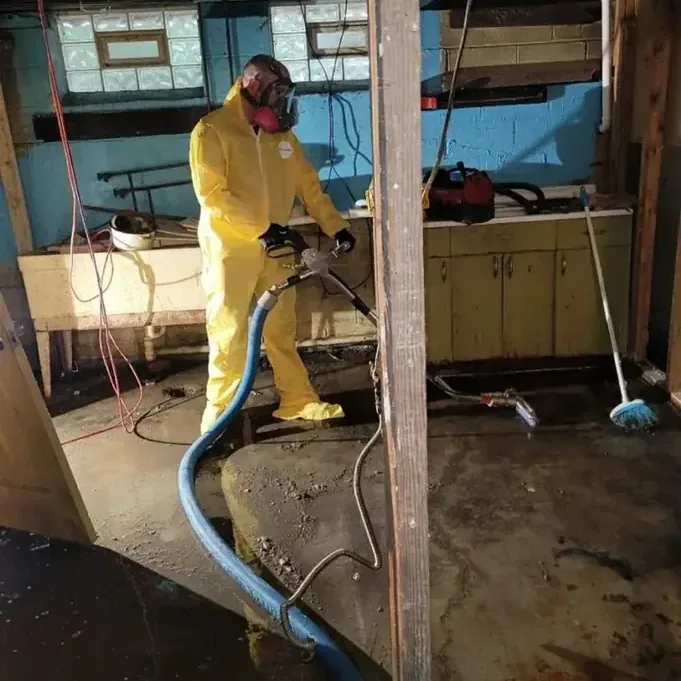
Sewage Backup Cleanup in Nashville
Review containment, disposal and surface cleaning.
Service details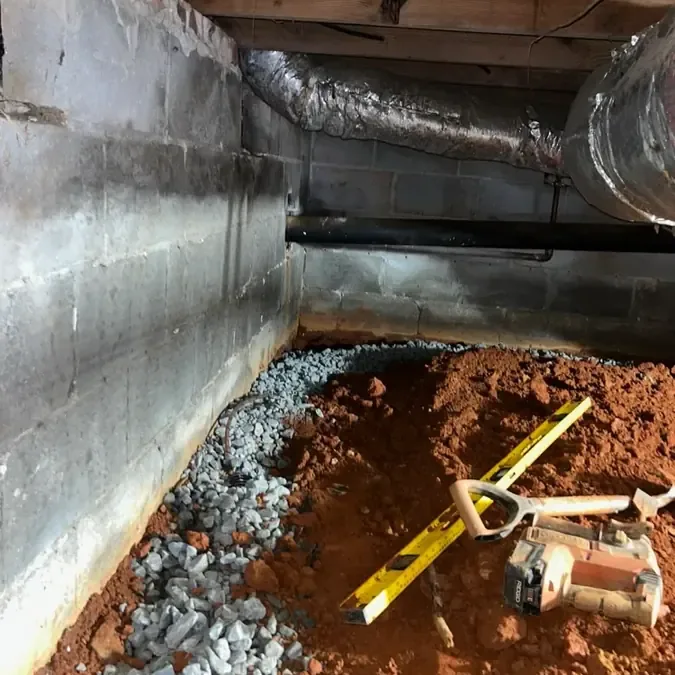
Crawl Space Water Removal in Nashville
Plan safe underfloor access and controlled pumping.
Service details
Water Extraction in Nashville
Follow standing water removal into the hidden wet areas.
Service detailsStorm Flood Cleanup questions in Nashville, TN
Can cleanup start while water is still entering?
The active source and safe access conditions must be considered first. Continued entry can undo removal and expose people to changing hazards. Report the entry route and water level so the immediate response can be planned around controlling or managing the source and protecting occupied areas.
Is outdoor water handled like a leaking sink supply?
Outdoor water can collect debris and contaminants before reaching the room, so its contact history changes the assessment. Removal, material decisions and cleaning need to account for that exposure. A clear looking puddle does not remove the need to identify how the water arrived.
Should wet furniture be thrown away immediately?
Document its condition and keep it separate from unaffected belongings before disposal decisions. Suitability for treatment depends on the material, contamination and extent of damage. The cleanup discussion should identify which contents need specialist assessment and how affected items can be moved without spreading water or debris.
Why remove wall material above the visible mark?
Absorbent layers may draw water beyond a surface mark, and concealed material can be wet even where paint looks unchanged. The removal boundary should follow inspection findings and material condition. Any opening should have an explained purpose related to contamination, damage or access for drying.
When can the room be painted again?
Painting follows cleanup and suitable drying of the retained assembly. A surface may look clean while moisture remains in the wall or floor below it. The repair handoff should identify final material conditions and any unresolved entry problem before finish work conceals the area.
Will the cleanup estimate settle insurance coverage?
Coverage is determined by the insurer under the applicable policy. An itemized scope, photographs and records of the entry event help describe the loss, but they do not decide coverage. Keep removal, drying, source repairs and reconstruction documented so each task can be reviewed clearly.
Outdoor entry needs more than surface water removal
The inspection can distinguish debris cleanup, material removal and the drying work required before interior repairs are considered.
(888) 849-5796Explain the flood contact area